
Dining Chair Assembly Tips for Stable Seating and Long-Term Use
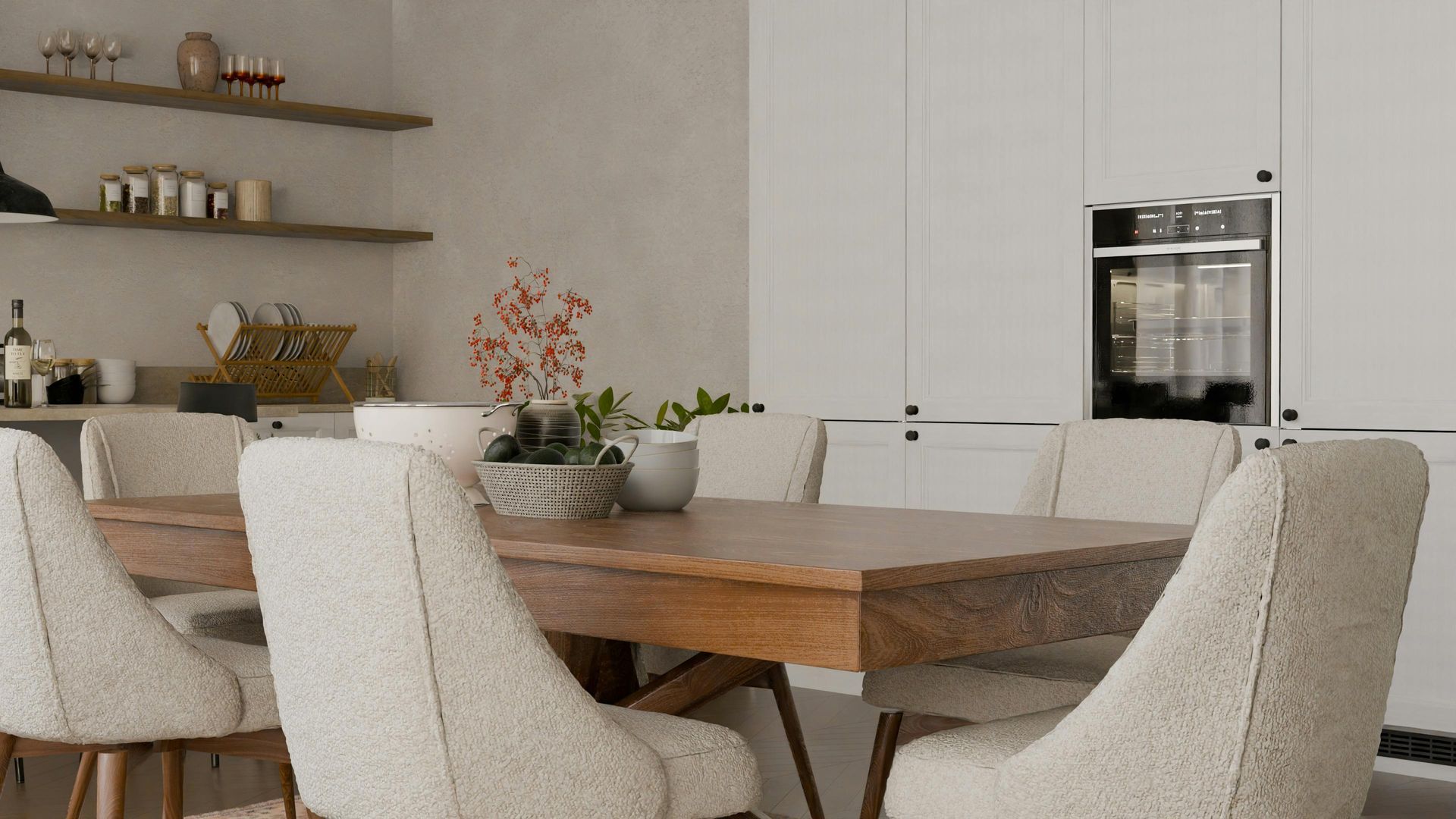
Proper dining chair assembly keeps seats stable, prevents wobbling, and helps chairs last longer through daily use. Secure joints, balanced legs, and correctly tightened hardware reduce wear before it turns into cracked frames or unsafe seating.
- Tight hardware improves stability
- Level legs prevent wobbling
- Organized parts reduce mistakes
- Strong joints support durability
- Safer chairs protect daily users
A loose dining chair may seem like a small annoyance at first. Then the wobble gets worse, the seat shifts, bolts strip, and one uneven leg starts stressing the entire frame. In busy homes, apartments, rental properties, restaurants, and office break rooms, poorly assembled chairs wear out faster because every meal, meeting, or gathering adds pressure to weak joints. The smart move is simple: assemble chairs carefully from the start, check alignment before final tightening, and get professional help when the set is heavy, expensive, or built with tricky hardware.
Why Proper Dining Chair Assembly Matters for Stability
Proper dining chair assembly matters because every screw, bracket, dowel, and leg connection affects how safely the chair supports weight. A chair may look finished, but if the frame is uneven or loosely fastened, it can wobble, creak, or fail early.
Dining chairs take more abuse than people realize. They get dragged across floors, leaned back on, shifted during meals, and used daily by kids, guests, tenants, employees, and customers. That means the frame needs firm contact points and balanced support.
For homeowners setting up a full dining room, professional home furniture assembly support can help prevent the classic “one chair is perfect, five chairs wobble” situation. In commercial dining spaces, chair stability matters even more because higher traffic increases the risk of loose hardware and uneven wear.
Secure assembly also supports basic product safety expectations. Furniture should be assembled in a way that protects users and preserves structural integrity, especially when used around children, older adults, or public seating areas. Consumer safety standards, including the Consumer Product Safety Improvement Act, reinforce why product integrity and safe use should never be treated casually.
What Causes Dining Chairs to Wobble Over Time
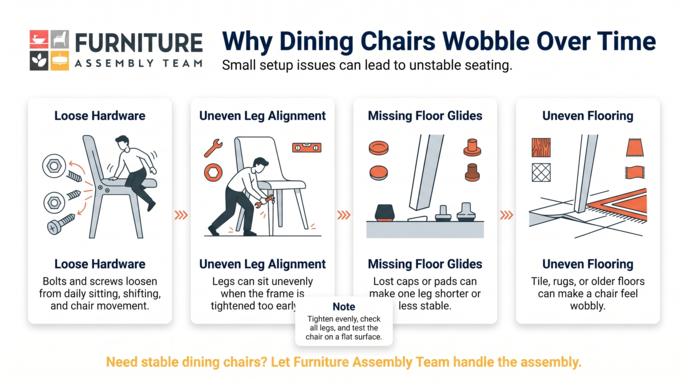
Dining chairs usually wobble because of uneven leg alignment, loose bolts, stressed joints, worn floor glides, or hardware that was tightened in the wrong order. Sometimes the chair is not the only issue. The floor surface can make a stable chair feel unstable.
Common causes include:
- Bolts tightened fully before the chair was squared
- Missing washers, caps, or leveling feet
- Legs installed in the wrong position
- Seat frames pulled out of alignment
- Uneven tile, wood, or laminate flooring
- Repeated dragging during moves or cleaning
Flat-pack dining chairs are especially sensitive to assembly order. Many homeowners buy common styles from large dining chair collections, including flat-pack dining chairs for small and large dining spaces, but the instructions still need careful handling. Skipping one small alignment step can create a chair that looks fine on day one and rocks by week three.
Outdoor and indoor seating also behave differently. A patio chair may need weather-resistant hardware and extra leveling attention, while indoor dining chairs rely more on floor protection and precise leg contact. That is why outdoor dining set assembly often follows a slightly different setup approach than standard indoor dining furniture.
How to Organize Hardware Before Assembly
Organizing hardware before assembly prevents missing parts, wrong screw placement, stripped threads, and uneven chair frames. Dining chairs often include several similar-looking bolts, washers, dowels, and brackets, so sorting everything first saves time and protects the furniture.
Before starting, lay out every part on a clean surface. Group hardware by size and shape, then compare it with the instruction sheet. This is especially helpful for apartments and rental properties where space is tight and one lost bolt can delay the entire setup.
Use a simple system:
- Keep bolts and washers in small bowls or bags
- Match each hardware group to the instruction step
- Separate chair legs by position if labeled
- Check for missing or damaged pieces before building
- Avoid mixing hardware from multiple chair boxes
This same careful handling applies when furniture is taken apart and rebuilt. During moves, renovations, or dining room upgrades, organized hardware can be the difference between a smooth rebuild and a wobbly mess. The same principle behind careful kitchen cabinet disassembly applies here: label parts, protect fasteners, and do not trust memory when there are twenty nearly identical screws on the floor.
Which Tools Help Create a More Secure Chair Assembly
The right tools help tighten hardware evenly, protect screw heads, and keep the chair frame aligned during assembly. Most dining chairs only need basic tools, but using them correctly matters more than using force.
Helpful tools include:
- Allen key or hex wrench
- Phillips screwdriver
- Rubber mallet
- Adjustable wrench
- Level
- Soft blanket or cardboard work surface
- Thread locker, only if approved by the manufacturer
A power drill can speed things up, but it can also strip hardware fast. Use hand tools for final tightening whenever possible. For chairs with wood frames, overdriving a screw can damage the pilot hole and weaken the joint. For metal frames, cross-threading a bolt can make the chair impossible to tighten correctly.
This is where experience pays off. Flat-pack furniture, including kitchen, dining, and storage pieces, depends on clean alignment before pressure is applied. The same precision needed when hiring pros for IKEA kitchen assembly and installation also applies to dining chair frames. Small alignment errors can create big durability problems later.
How Tight Should Dining Chair Hardware Be
Dining chair hardware should be snug and secure, but not forced so tightly that it strips threads, cracks wood, bends brackets, or pulls the frame out of square. The best method is gradual tightening after all parts are loosely fitted.
Dining chair hardware should feel snug, not forced. The goal is to secure the frame without stripping bolts, cracking wood, or pulling the chair out of alignment.
| Assembly Point | What to Do | What to Avoid |
|---|---|---|
| Starting bolts | Thread each bolt by hand first | Forcing bolts with tools right away |
| Tightening order | Tighten gradually across the frame | Tightening one side fully first |
| Final pressure | Stop when hardware feels snug | Overtightening until wood or metal strains |
| Chair balance | Test the chair on a flat floor | Ignoring small rocking or uneven legs |
| Maintenance | Recheck hardware after a few weeks | Waiting until the chair squeaks or wobbles |
Start each bolt by hand. Once every connection is in place, tighten the hardware in a cross-pattern or alternating sequence. This helps the chair settle evenly instead of pulling one side tighter than the other.
Good tightening habits include:
- Hand-thread bolts before using tools
- Tighten gradually across the frame
- Stop when hardware feels firm
- Avoid forcing resistance
- Recheck after the chair sits flat
- Retighten after a short break-in period
For chairs used in restaurants, office break rooms, or shared housing, hardware should be checked more often. Commercial seating gets constant movement, and loose bolts can become a safety issue faster than they would in a quiet dining room. Businesses that need stronger setups can benefit from professional restaurant furniture assembly, especially when many chairs need consistent stability.
Why Even Weight Distribution Matters for Seating Stability
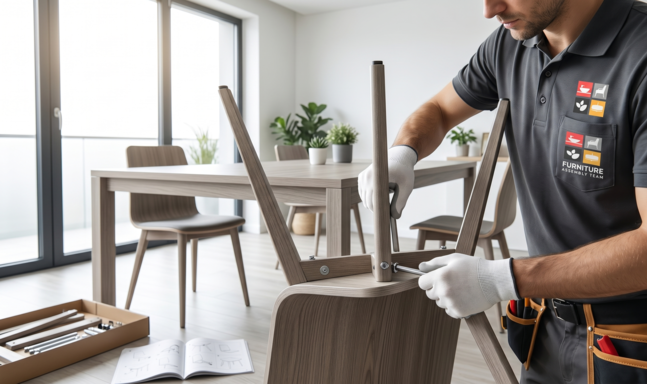
Even weight distribution keeps the chair frame from twisting, rocking, or placing too much stress on one leg or corner. A stable chair should support the user evenly through the seat, legs, and floor contact points.
Check the frame before final tightening. Place the chair on a flat surface, press lightly on the seat, and see whether all legs make contact. If one leg floats or the chair rocks diagonally, loosen the hardware slightly, square the frame, then tighten again.
Alignment and leveling matter across many furniture types. The same lessons behind avoiding costly kitchen cabinet installation mistakes apply to chairs too. If the structure is fastened before it is level, the final result may look complete but perform poorly.
These seating principles also apply beyond dining rooms. Office chairs, guest chairs, and conference seating need balanced support to prevent leaning, uneven wear, and user discomfort. Professional office chair assembly for premium seating follows the same basic rule: stable seating starts with correct structure.
What Common Assembly Mistakes Reduce Chair Lifespan
Dining chairs wear out faster when they are assembled out of order, overtightened, undertightened, dragged carelessly, or used before the frame is properly squared. Most long-term issues begin during the first setup.
Watch for these common mistakes:
- Tightening one side fully before the others
- Skipping washers or lock nuts
- Using the wrong bolt length
- Mixing parts from different chairs
- Ignoring small cracks or split wood
- Sitting on the chair before final checks
- Leaving felt pads or floor glides off
Chair type also matters. Dining chairs come in wood, metal, upholstered, counter-height, folding, and mixed material designs. Everyday retailers offer a wide range of kitchen and dining chair styles, and each type may use different fasteners, brackets, or leg supports.
If a dining set is being moved, protect the assembled chairs instead of stacking them roughly in a truck or dragging them across concrete. For larger dining sets, using professional movers for heavy items can help avoid cracked joints, bent legs, and damaged finishes after assembly.

How Floor Surfaces Affect Dining Chair Stability
Floor surfaces can make a properly assembled chair feel unstable or make a poorly assembled chair seem worse. Tile, uneven hardwood, thick rugs, warped laminate, and sloped floors all affect how chair legs contact the ground.
A chair that wobbles in one room may sit flat in another. Before assuming the assembly is wrong, test the chair on a known flat surface. If it becomes stable there, the issue may be the floor, not the chair.
Check these floor-related factors:
- Uneven hard flooring: Tile grout lines, old hardwood, and slightly uneven laminate can create rocking even when chair legs are equal.
- Missing floor glides: Plastic caps, felt pads, and adjustable feet help protect flooring and balance minor differences.
- Soft rugs: A thick rug can cause chair legs to sink unevenly, especially with narrow or angled legs.
- High-use spaces: Restaurants, rentals, and office break rooms often need more frequent checks because chairs move across different surfaces all day.
Furniture Assembly Team can help identify whether the problem comes from the chair frame, the floor surface, or both. That saves you from chasing the wrong fix like a detective with a hex key.
When Professional Furniture Assembly Services Make Sense
Professional furniture assembly makes sense when dining chairs are expensive, numerous, heavy, commercial-grade, difficult to align, or needed for daily use right away. It also helps when previous assembly attempts caused wobbling, stripped screws, or uneven seating.
Hiring help is practical for:
- Full dining sets with multiple chairs
- Rental properties and furnished apartments
- Restaurants, cafes, and break rooms
- Homes with limited tools or space
- Chairs with mixed wood and metal hardware
- Replacement setups after a move or remodel
A professional assembler knows when to tighten, when to pause, and when to correct alignment before damage happens. That matters for both appearance and safety. Furniture Assembly Team also offers a wider range of furniture assembly services for homes, offices, and setup projects where stable installation matters from the start.
Get Reliable Dining Chair Assembly Help
Need dining chairs that feel solid, safe, and built to last? Furniture Assembly Team can help with proper hardware tightening, frame alignment, wobble prevention, and long-term seating durability. If you are replacing damaged furniture during a larger home setup, services like disposal and recycling support may also help clear unwanted items. For stable dining chair assembly without the guesswork, contact Furniture Assembly Team today.
Frequently Asked Questions
How do you assemble dining chairs properly?
Start by organizing all parts, loosely fitting every bolt, and checking alignment before final tightening. Tighten gradually across the frame so the chair stays square and all legs sit evenly on the floor.
Why do dining chairs wobble after assembly?
Dining chairs often wobble because bolts were tightened in the wrong order, legs are uneven, or the floor surface is not level. Loose hardware, missing glides, and misaligned frames can also cause rocking over time.
How tight should dining chair bolts be?
Dining chair bolts should be snug and secure, but not forced. Overtightening can strip threads, crack wood, or bend brackets, while undertightening can let the frame loosen during daily use.
What tools are best for dining chair assembly?
Most dining chairs need an Allen key, screwdriver, wrench, rubber mallet, and level. Hand tools are best for final tightening because they give better control and reduce the risk of stripping hardware.
How long does dining chair assembly take?
A single dining chair may take 15 to 30 minutes, depending on the design, hardware, and condition of the parts. A full dining set can take longer because each chair needs the same alignment and stability checks.
When should dining chair hardware be retightened?
Check hardware after the first few weeks of use, then every few months for busy households or commercial spaces. Retightening is also smart after moving, deep cleaning, or noticing squeaks, rocking, or looseness.
Is professional dining chair assembly worth it?
Professional assembly is worth it when you want stable seating, fewer mistakes, and longer furniture life. It is especially helpful for full dining sets, rental properties, restaurants, offices, and chairs with tricky hardware.