
Coffee Table and Side Table Assembly Tips for Stable Living Room Setup
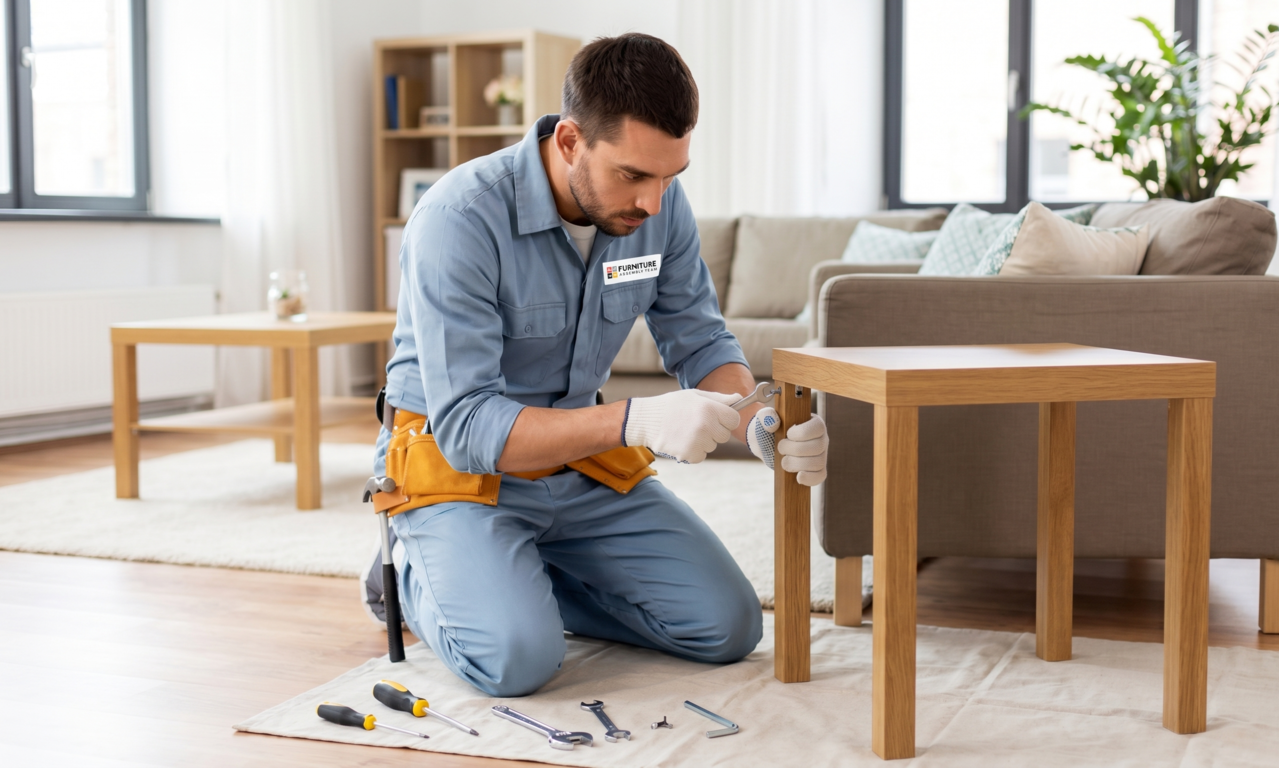
Professional assembly of a coffee table and side table creates a stable, balanced, and safer living room setup by ensuring every joint, leg, and fastener is correctly aligned. Skilled assembly prevents wobble, protects finished surfaces, and extends the lifespan of your furniture.
- Tight hardware keeps legs square and prevents wobble
- Proper leveling stops drinks and decor from sliding
- Surface protection avoids scratches during setup
- Correct alignment supports daily weight and impact
- Expert assembly extends furniture life for years
Ensuring Stability and Safety in Your Living Room Setup
A wobbling coffee table ruins more than just movie night. Loose legs, mismatched hardware, and uneven flooring quickly turn a brand-new purchase into a frustrating eyesore. Worse, stripped screws and scratched veneers shorten the life of furniture you just paid for. Side tables tilt, drinks spill, and decor slides off the edge. Without proper assembly, your living room never feels finished. Fortunately, careful step-by-step setup, the right tools, and professional help when needed restore stability, alignment, and confidence in every piece of furniture you own.
What Makes Coffee Tables and Side Tables Essential for Living Room Function
Coffee tables and side tables anchor your living room. They hold drinks, books, lamps, remotes, and decor while defining the seating layout. Beyond function, they shape the visual balance of the space, making proper assembly critical for both daily use and overall room aesthetics.
In apartments and condos, a sturdy coffee table doubles as a dining surface, workspace, or game table. In family homes, side tables often hold reading lights and charging stations. Reviewing typical coffee table and accent table dimensions helps confirm the piece fits the seating arrangement without crowding walkways. For busy households, professional
home furniture assembly saves hours and prevents costly mistakes during initial setup.
How to Ensure Proper Alignment for a Sturdy Table Setup
Proper alignment starts before you tighten a single screw. Begin by laying out every part, matching hardware to the manual, and pre-fitting legs loosely. Square the frame on a flat surface, then tighten in a cross-pattern to distribute pressure evenly. This method prevents twisted frames and uneven legs.
Alignment principles apply across furniture categories. The same care used for dining table and chair assembly translates directly to coffee tables and side tables. Browsing popular flat-pack styles from IKEA's coffee tables collection reveals how often misaligned pre-drilled holes cause wobble.
- Check each leg against a level before final tightening
- Confirm corner brackets sit flush with the frame
- Re-tighten hardware after 24 hours of settling
Why Furniture Leveling Is Crucial for Stability and Safety
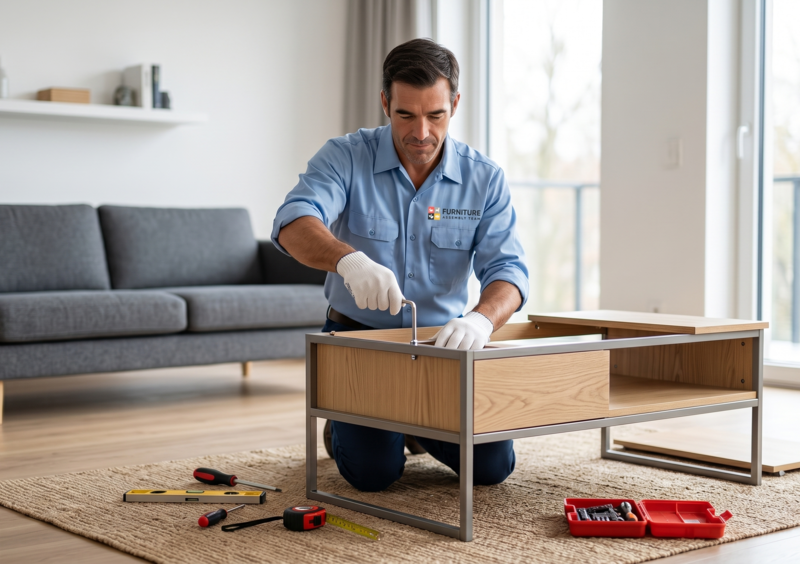
Furniture leveling prevents tipping, sliding, and structural strain. An unlevel coffee table places uneven weight on two legs, loosening joints over time and creating a safety hazard for children and pets. Leveling also keeps glass tops from rocking and decor items from drifting toward one side.
Following established furniture safety requirements reduces accidents in homes with young children. Hardwood floors, plush rugs, and tile each affect balance differently. Adjustable feet or thin felt shims correct minor variations. In rental properties and furnished homes, leveling becomes especially important since tenants rarely report wobble until something breaks.
What Common Assembly Mistakes Lead to Wobbling Tables
Wobbling almost always traces back to four mistakes: overtightening hardware, skipping pre-fit steps, using the wrong screwdriver, and ignoring the assembly sequence. Each error stresses joints, strips threads, and warps frames, leaving the table unstable from day one.
The variety of designs sold on the Ashley coffee tables page shows how different materials, like solid wood, MDF, and metal, each demand specific torque levels. A common fix is calling a professional coffee table assembly specialist who knows manufacturer tolerances.
| Common Mistake | Result | Quick Fix |
|---|---|---|
| Overtightening screws | Stripped threads | Use hand pressure first |
| Skipping pre-fit | Misaligned frame | Loose-fit all parts first |
| Wrong screwdriver | Damaged hardware | Match bit to screw head |
| Out of order steps | Twisted joints | Follow manual exactly |
How Do You Prevent Scratches During Coffee Table Assembly
Preventing scratches starts with the work surface. Always assemble on a clean blanket, foam mat, or thick cardboard. Place hardware in a tray, not on the tabletop. Never drag finished panels across the floor, and avoid resting metal tools on glossy surfaces.
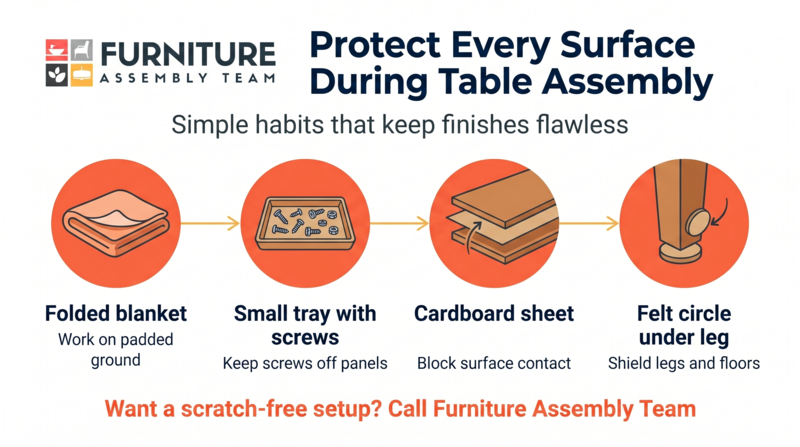
Soft cloths between clamps and wood prevent compression marks. When repositioning furniture later, the same care used in safely disassembling furniture without damaging walls or floors applies in reverse during initial setup.
- Use felt pads under legs immediately
- Keep cardboard between panels during fitting
- Wipe glass tops with microfiber, never paper
What to Check for Structural Integrity in Your Side Tables
Structural integrity depends on tight joints, square frames, and balanced load distribution. Test by pressing each corner downward and rocking gently. Any movement signals loose hardware or warped components. Inspect dowels, cam locks, and corner braces, since these handle most of the daily stress.
Side tables in office lounge spaces and waiting areas endure heavier use than residential pieces. Professional office furniture installation crews routinely reinforce side tables in business settings, applying the same balance and tightening logic used for office chair assembly with Herman Miller and Steelcase models.
How Does Proper Assembly Improve Longevity and Use
Proper assembly directly extends furniture lifespan. Correctly tightened joints resist daily stress, prevent micro fractures in wood, and keep finishes intact. A well-assembled coffee table can last a decade longer than one rushed through setup, saving replacement costs and reducing waste.
Choosing the right professional matters. Reviewing guides on how to choose the right furniture assembly service near you helps homeowners avoid inexperienced installers. The full range of available assembly services covers everything from single tables to entire living room sets.
Key Tools You Need for Quick and Safe Table Assembly
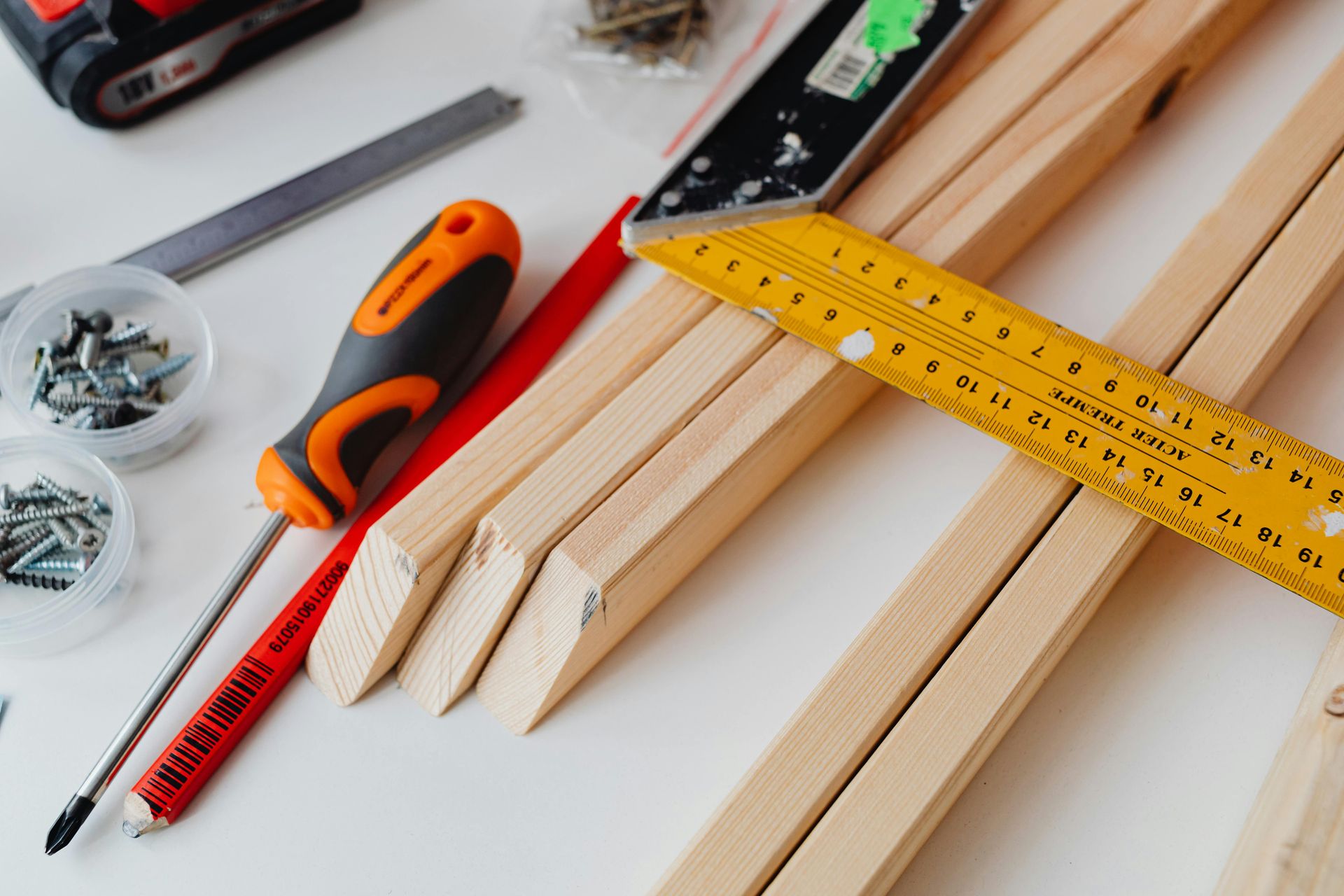
The right tools make assembly faster and safer. A basic kit handles most coffee table and side table builds, while a few specialty items prevent damage on premium finishes. Always match tool size to hardware to avoid stripped heads.
Many flat-pack designs covered in this IKEA furniture assembly guide require only a handful of tools. When refreshing or relocating furniture, pairing assembly with packing services for busy households and last-minute moves keeps assembled pieces protected.
- Phillips and flathead screwdrivers
- Rubber mallet for snug joint fitting
- Allen wrench set in metric and standard
- Bubble level or smartphone level app
- Soft blanket for surface protection
Why Professional Assembly Ensures a Perfect Living Room Setup
Professional assembly delivers a perfectly aligned, level, and durable living room setup without the trial and error. Furniture Assembly Team brings the tools, experience, and patience needed to finish your coffee table and side tables right the first time, saving hours and protecting your investment.
Homeowners often combine table setup with other household projects like trampoline repair services or in-ground basketball goal removal during seasonal refreshes. Whether you live in a downtown condo, a family home, or manage a furnished rental, contact Furniture Assembly Team for fast, reliable, and stable living room results.
Want a scratch-free setup? Call Furniture Assembly Team.
Frequently Asked Questions
How do you assemble a coffee table so it does not wobble?
Start by loosely fitting all parts on a level surface, then tighten hardware in a cross-pattern. Check each leg with a level before final tightening, and re-tighten after 24 hours once the frame settles into place.
Why do side tables become uneven after assembly?
Uneven side tables usually result from overtightened screws, skipped pre-fit steps, or placement on uneven flooring. Loose dowels and warped legs also cause tilt, especially on lightweight or budget designs.
How tight should table hardware be during assembly?
Hardware should be firm and snug, not forced. Overtightening strips threads and cracks wood, while undertightening leaves joints loose. Hand-tighten first, then apply a final quarter turn with a tool.
How do you protect table surfaces during assembly?
Always work on a soft blanket or foam mat, and place hardware in a separate tray. Use felt pads under legs immediately after assembly, and avoid sliding finished panels across hard floors.
What tools work best for coffee table and side table assembly?
A Phillips screwdriver, Allen wrench set, rubber mallet, and bubble level cover most builds. A power drill with adjustable torque speeds up work, but use it carefully to avoid stripping hardware.
How long does it take to assemble a coffee table and side table?
A standard coffee table takes 30 to 60 minutes, while a side table usually takes 15 to 30 minutes. Complex designs with glass, drawers, or storage shelves can take twice as long.
When is professional furniture assembly worth it?
Professional assembly is worth it when you own premium furniture, lack tools, or want guaranteed stability. It also saves time for busy families, landlords, and offices needing multiple pieces assembled quickly and correctly.